
Whether you're a homeowner, business owner, or vehicle owner in White Plains, NY, encountering lock and key problems is almost inevitable. These issues always seem to occur at the most inconvenient times—when you're rushing to work, late at night, or during extreme weather conditions. Understanding common locksmith problems and their solutions can help you stay prepared and know when to call a professional. At River Pkwy Locksmith Corp, we've seen it all, and we're here to share our expertise to help you navigate these frustrating situations with confidence.
Understanding the Most Common Lockout Situations
Lockouts represent the most frequent emergency calls we receive at River Pkwy Locksmith Corp. Being locked out of your home, car, or business can be stressful, but understanding how these situations occur can help you prevent them in the future.
Home lockouts typically happen when keys are misplaced, left inside, or when locks malfunction unexpectedly. Many residents in White Plains find themselves locked out after taking out the trash, checking the mail, or during rushed morning routines. The solution depends on the specific circumstances, but professional locksmiths can gain entry without damaging your property using specialized tools and techniques.
Vehicle lockouts are equally common and often occur in parking lots, driveways, or at gas stations. Modern cars with electronic key fobs present unique challenges compared to traditional keys. When you lock your keys inside your vehicle, attempting DIY solutions like wire hangers or slim jims can damage your car's locking mechanism or weather stripping. Professional automotive locksmiths have the proper tools to safely unlock your vehicle regardless of make or model.
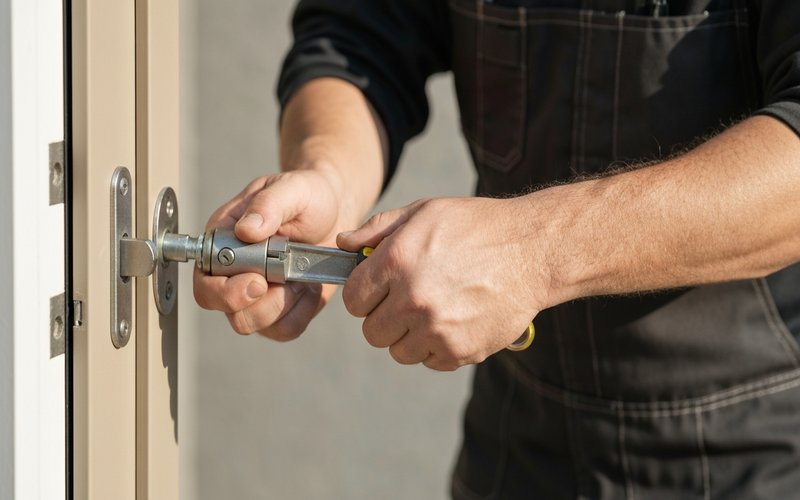
Business lockouts can result in lost revenue and frustrated customers. Commercial properties often have more complex locking systems, including master key arrangements and electronic access control systems. When a business lockout occurs, time is money, making professional locksmith services essential for quick resolution.
Dealing with Broken Keys and Key Extraction
Broken keys rank among the most frustrating locksmith problems because they leave you with physical evidence of the problem stuck in your lock. Keys break for several reasons, including metal fatigue from years of use, forcing a key that doesn't fit properly, or applying excessive pressure while turning.
When a key breaks off inside a lock, your first instinct might be to extract it yourself using tweezers, super glue, or other household items. However, these attempts often push the broken piece deeper into the lock cylinder, making professional extraction more difficult and potentially requiring lock replacement.
Professional key extraction involves specialized tools designed specifically for this purpose. Locksmiths use extraction picks, hooks, and other instruments to carefully remove the broken key fragment without damaging the lock mechanism. Once extracted, we can cut a new key from the broken pieces or by decoding the lock itself.
To prevent key breakage, replace worn keys showing signs of wear, avoid forcing keys into locks, and ensure you're using the correct key for each lock. If you notice your key sticking or requiring extra pressure to turn, address the issue before it results in a broken key emergency.
Addressing Worn Out and Damaged Locks
Locks don't last forever. Over time, daily use, weather exposure, and general wear and tear compromise lock functionality and security. Recognizing the signs of worn-out locks helps you address problems before they become security vulnerabilities or cause lockouts.
Residential door locks typically show wear after 7-10 years of regular use, though this varies based on usage frequency and environmental factors. Signs of lock wear include difficulty inserting or turning keys, loose or wobbly doorknobs, visible rust or corrosion, and keys that stick or require wiggling to work properly.
Weather exposure particularly affects exterior locks in White Plains, where temperature fluctuations, moisture, and freeze-thaw cycles take their toll. Moisture can cause internal components to rust and freeze during winter months, while UV exposure can degrade certain materials over time.
The solution for worn locks depends on the extent of damage. Sometimes, cleaning and lubricating the lock mechanism with graphite lubricant (never oil-based products) can restore functionality. However, locks showing significant wear should be replaced rather than repaired to ensure proper security. Modern locks offer improved security features, durability, and convenience options like keyless entry.
Solving Sticky and Jammed Lock Problems
Sticky or jammed locks cause frustration and can lead to broken keys if not addressed properly. These problems stem from various causes, each requiring different solutions.
Dirt, dust, and debris accumulation inside the lock cylinder represents the most common cause of sticky locks. Over time, these particles interfere with the pins and springs inside the lock mechanism, creating resistance when you insert or turn your key. Regular cleaning with compressed air and proper lubrication with graphite powder can prevent and resolve this issue.
Misaligned doors and frames also cause locks to stick or become difficult to operate. Homes naturally settle over time, and temperature changes cause materials to expand and contract. When a door frame shifts even slightly, the latch may not align properly with the strike plate, forcing you to lift or push the door while turning the key. Adjusting the strike plate position or planing the door edge can solve alignment issues.
Frozen locks become a significant problem during White Plains winters. When moisture enters the lock mechanism and freezes, it can completely prevent key insertion or turning. Never force a key into a frozen lock, as this almost certainly results in key breakage. Instead, warm the key with a lighter or match, use lock de-icer spray, or call a professional locksmith who can safely thaw and service the lock.
Internal mechanism problems, including broken springs or pins, require professional repair or replacement. These components are delicate and require specialized knowledge to diagnose and fix properly.
Handling Lost or Stolen Keys Effectively
Losing your keys or having them stolen creates both immediate inconvenience and ongoing security concerns. The proper response depends on whether keys were lost or stolen, but in both cases, taking swift action protects your property.
When keys are definitely stolen, the security implications are more serious than simple loss. Someone potentially has the ability and intent to access your property. In these situations, rekeying or replacing affected locks should be your first priority. Rekeying changes the internal pin configuration so old keys no longer work, providing fresh security without replacing entire locks.
For lost keys where theft seems unlikely, you have more flexibility in your response. However, you can never be certain lost keys won't fall into the wrong hands. At minimum, ensure you have new keys cut and consider rekeying for complete peace of mind.
Temporary solutions like staying with friends or family or having someone else let you in don't address the underlying security vulnerability. Professional locksmiths can rekey locks quickly and affordably, often servicing multiple locks to work with a single new key.
Implementing preventive measures helps avoid future lost key situations. These include establishing designated key storage spots at home and work, using key hooks or bowls near entrances, keeping spare keys with trusted neighbors or family members, and considering keyless entry systems that eliminate physical keys entirely.
Resolving Issues with Key Duplication and Cutting
Not all key cutting services deliver equal results, and poorly cut keys create ongoing problems. Understanding key duplication issues helps you obtain properly functioning duplicate keys.
Key cutting requires precision machinery and experienced operators. When duplicates are cut incorrectly, they may work intermittently, stick in locks, or fail to operate altogether. Common key cutting problems include incorrect depth on one or more cuts, misaligned cuts, burrs or rough edges that catch inside locks, and copies made from worn original keys that perpetuate existing inaccuracies.
The solution is having keys cut by professional locksmiths using proper equipment rather than automated kiosks or hardware stores with minimal training. Professional locksmiths can cut keys by code when you don't have a working original, ensuring perfect accuracy.
Some keys require special equipment or authorization to duplicate. High-security keys, restricted keyways, and certain automotive keys include features preventing unauthorized duplication. These security features protect property owners but require visiting authorized dealers or locksmiths with proper credentials.
Transponder keys and key fobs for modern vehicles require programming beyond simple cutting. The physical key must be cut accurately, and the electronic component must be programmed to communicate with your vehicle's immobilizer system. This specialized service requires diagnostic equipment and manufacturer-specific knowledge.
Managing Master Key System Complications
Businesses and multi-unit properties often employ master key systems allowing different levels of access throughout a facility. While these systems offer convenience and security flexibility, they also present unique challenges.
Master key systems operate using special pin configurations allowing multiple keys to operate the same lock. A master key opens all locks in the system, while individual keys only open specific locks. Sub-master keys provide intermediate access levels for departments or building sections.
Common problems with master key systems include lost master keys creating security vulnerabilities, unauthorized key duplication compromising system integrity, pin tumbler wear from multiple key configurations, and poorly documented systems where key hierarchies become unclear over time.
When master key problems occur, professional evaluation is essential. Sometimes rekeying specific cylinders resolves issues, while other situations require complete system reconfiguration. Maintaining detailed records of which keys access which locks and who holds each key prevents confusion and security gaps.
Upgrading to electronic access control systems offers advantages over traditional master key systems, including eliminating physical key management, providing detailed access logs, enabling instant access revocation, and allowing flexible access schedules.
Addressing Smart Lock and Electronic Access Issues
Modern smart locks and electronic access systems provide convenience and advanced features, but they also introduce new types of problems requiring specialized knowledge.
Battery failure represents the most common smart lock issue. Unlike traditional locks requiring no power, electronic locks depend on batteries that eventually deplete. Most smart locks provide low battery warnings through apps or indicator lights, giving you time to replace batteries before complete failure. However, when batteries die unexpectedly, you need the backup key or emergency power option to regain access.
Connectivity problems prevent remote access and smart home integration features from working properly. Wi-Fi-enabled locks may lose connection due to router issues, distance from access points, or interference from other devices. Bluetooth locks have limited range and require proximity for operation. Troubleshooting typically involves checking internet connectivity, restarting locks and hubs, ensuring firmware is updated, and repositioning components if signal strength is weak.
Software glitches occasionally affect smart locks, causing unresponsive apps, failed commands, or incorrect status reports. Most issues resolve through app updates, firmware updates, or power cycling the lock. Persistent software problems may require factory resets or manufacturer support.
Installation errors often masquerade as smart lock malfunctions. These devices require precise alignment and proper mounting to function correctly. If the lock doesn't engage smoothly with the strike plate, motors struggle and batteries drain quickly. Professional installation ensures proper alignment, secure mounting, and correct configuration.
Fixing Problems with Deadbolts and Lock Cylinders
Deadbolts provide essential security for residential and commercial properties, but specific problems can compromise their effectiveness.
Deadbolts that won't fully extend or retract indicate alignment issues or internal mechanism problems. The bolt may hit the strike plate rather than entering the opening, which happens when doors settle or frames shift. Solutions include adjusting the strike plate position, deepening the strike plate mortise, or realigning the door itself.
Stiff deadbolts requiring excessive force to operate suggest internal friction from dirt, corrosion, or worn components. Never use oil-based lubricants on locks, as these attract dirt and eventually gum up mechanisms. Instead, use dry graphite lubricant or PTFE-based products designed specifically for locks.
Cylinder problems affect both deadbolts and knob locks. The cylinder houses the pin tumbler mechanism that your key operates. Over time, pins wear, springs weaken, and the plug becomes loose. When cylinder problems develop, professional rekeying or cylinder replacement becomes necessary.
Single-cylinder deadbolts with interior thumb turns offer convenience but can present security vulnerabilities if windows are nearby. Double-cylinder deadbolts requiring keys on both sides provide better security but create potential egress issues during emergencies. Choosing the right deadbolt type for each location balances security and safety considerations.
Understanding Rekeying vs. Lock Replacement Decisions
When lock problems occur or security changes are needed, property owners face the choice between rekeying and complete lock replacement. Understanding the differences helps you make cost-effective decisions.
Rekeying involves changing the internal pin configuration so existing keys no longer work while installing new keys. This process is more affordable than replacement and works well when locks are in good condition but key control is compromised. Situations ideal for rekeying include moving into a new home, lost or stolen keys, employee termination in business settings, and ending relationships where others have keys.
Lock replacement becomes necessary when locks are damaged, worn beyond reliable function, or don't meet current security needs. Modern locks offer significantly improved security features compared to older models, including pick-resistant cylinders, drill-resistant plates, and bump-proof mechanisms. Replacement also makes sense when upgrading to smart locks or higher security grades.
Cost considerations typically favor rekeying when locks function properly and only key control needs updating. However, if locks already show wear or you desire improved security features, the additional cost of replacement provides better long-term value than rekeying old, vulnerable locks.
Professional locksmiths can evaluate your specific situation and recommend the most cost-effective solution. Sometimes combining both approaches works best—replacing severely worn exterior locks while rekeying interior locks in good condition.
Preventing Common Locksmith Problems
Many locksmith emergencies can be prevented through proactive maintenance and smart habits. Implementing these preventive strategies saves money, inconvenience, and stress.
Regular lock maintenance includes cleaning locks periodically with compressed air, lubricating mechanisms with graphite powder annually, checking for loose screws or components, and testing all keys to ensure smooth operation. These simple tasks take minimal time but significantly extend lock life and prevent malfunctions.
Key management practices prevent lockout situations and security vulnerabilities. Establish designated storage spots for keys at home and work, consider keeping a spare key in a combination lock box rather than under doormats or flower pots, provide trusted neighbors or family members with emergency access keys, and maintain an inventory of keys and who holds them for business properties.
Replacing worn keys before they break prevents extraction emergencies. If keys show visible wear, have rough edges, or require wiggling to work properly, have new keys cut from the lock code or a newer duplicate rather than copying worn originals.
Scheduling professional lock inspections during regular home maintenance checks catches developing problems before they cause emergencies. Locksmiths can identify worn components, alignment issues, and security vulnerabilities during these assessments.
Upgrading to quality locks appropriate for each application provides better reliability and security. Exterior doors should have Grade 1 or Grade 2 deadbolts, entry knobs should be Grade 2 or better, and high-security areas should consider restricted keyway systems or electronic access control.
When to Call a Professional Locksmith
While some minor lock issues can be addressed through DIY solutions, many situations require professional locksmith expertise to resolve safely and effectively.
Immediate professional assistance is necessary for lockout emergencies where safe access is required without damage, broken keys stuck in locks where extraction attempts have failed, malfunctioning locks on exterior doors creating security vulnerabilities, and commercial lockouts affecting business operations and revenue.
Scheduled professional services should be considered for rekeying after moving, employee changes, or lost keys, upgrading to high-security or smart lock systems, installing master key systems in commercial properties, repairing or replacing worn or damaged locks, and conducting security assessments to identify vulnerabilities.
DIY attempts at lock repair or entry often cause additional damage, increasing repair costs and potentially compromising security. Professional locksmiths have specialized tools, training, and experience to diagnose problems accurately and implement appropriate solutions efficiently.
Choosing a reputable locksmith protects you from scams and ensures quality work. Look for locksmiths with physical addresses in your area, verified credentials and licenses, transparent pricing without hidden fees, and positive reviews from local customers. Be wary of unusually low advertised prices that balloon after service or locksmiths who can't provide credentials or company identification.
Experience Reliable Service from River Pkwy Locksmith Corp
At River Pkwy Locksmith Corp, we understand how stressful lock and key problems can be. Whether you're dealing with an emergency lockout, need locks rekeyed for security, or want to upgrade to modern smart lock systems, our experienced team provides professional solutions tailored to your specific needs.
Serving the White Plains, NY community from our location at 235 Main St, White Plains, NY 10601, we respond quickly to emergency calls and schedule convenient appointments for non-urgent services. Our technicians arrive fully